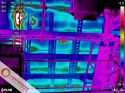
Electricity is energy in motion, although we usually see the result in the form of electrical devices working. The electrical cables that transmit the energy are normally cool to touch, because they are right-sized for the quantity of energy flowing through them. However, they will overheat when something disturbs the balance due to a short circuit or overload. Electrical thermography allows us to detect this visually without burning our fingers, or receiving a potentially life-threatening electric shock.
Why Electrical Overheating is a Key Safety Issue
Electrical overheating that we can detect with a thermal energy monitor is a warning sign that something is wrong with the distribution system. If not checked, electrical components can melt and may eventually catch fire. The Grenfell Tower Block disaster in London began with a faulty fridge-freezer in a flat. Managers of apartments, hotels, office blocks and public buildings have a duty to do everything they can to prevent this happening. A hand-held electrical thermography camera makes this quick and easy to do.
How Electrical Switchboard Thermography Works in Practice
A main electrical switchboard is like a major railway junction in the context of a building. Under normal circumstances, this is a quiet, cool place where it is hard to imagine anything possibly going wrong. However if it does, the network could overheat to flashpoint. Emergency volunteers could suffer burns trying to extinguish the flames.
The building tenants too could face great inconvenience. They and their customers would have to evacuate their space. After a major switchboard fire, rewiring could take days. Root-cause investigations often suggest this might have been avoidable with annual electrical thermography checks.
We Do Electrical Thermography Brisbane Wide
Thermographic inspections could be within every building manager’s reach, were it not for the cost of the thermal imaging cameras. Professional equipment could set you back $20,000 - $40,000, but lie unused in your maintenance department for most of the year.
Our electrical thermography Sunshine Coast service is a feature of life for many clients. We arrive like clockwork, cause minimum disruption, and provide reports up to insurance industry standards. You can relax and get on with your regular job after Highpoint Solutions starts monitoring your switchboards for overheating.
How and Why Electrical Thermography Works So Well
Infrared thermal imaging surveys are non-destructive inspections using remote, hand-held equipment. We do not connect to anything. Your tenants will not even know this is happening. Electricity normally generates small amounts of heat as it flows through switchboards.
Our equipment translates this information into a visual display on a digital screen. Anything untoward shows up at a hotspot we identify to your maintenance team. Your electricians will know what to do when they know they have a problem to solve.
We Would Love to Show You What We Could Do for You
Electrical thermography benefits building managers by identifying developing electrical problems before they become an issue. Highpoint Solutions are local in Eumundi, Sunshine Coast, Queensland. Give us a call on 0407 202 064, or send an email to Highpoint Solutions. We would love the opportunity to show you what we could do for you too.
Follow us on Facebook: www.facebook.com/HighpointSolutionsAustralia/
Connect with us on LinkedIn: www.linkedin.com/in/justin-dravsnik
Follow us on Twitter: www.twitter.com/justin_dravsnik